
Football’s governing body, FIFA, has brought back a substitution regulation that proved deeply unpopular with supporters more than two decades ago.
Under the reinstated rule, international managers may now replace up to eight players during friendly matches.
Should both coaches reach an agreement, this figure can extend to a maximum of 11 changes per fixture.
The previous version of this regulation was scrapped following significant criticism directed at the England camp over twenty years ago.
FIFA’s decision to restore these provisions forms part of a broader package of amendments introduced prior to this year’s World Cup tournament.
The catalyst for the original prohibition was a decision by then-England manager Sven-Goran Eriksson during a friendly encounter with Australia at Upton Park in 2003.
The Swedish coach made the bold choice to replace his entire starting XI at the interval, fielding a completely different squad for the second half.
Football’s governing body, FIFA, has brought back a substitution regulation that proved deeply unpopular with supporters more than two decades ago
|PA
This wholesale transformation of the Three Lions lineup sparked considerable controversy among fans and pundits alike.
The resulting furore prompted football authorities to outlaw such mass substitutions, a ban that remained in effect for more than two decades until the recent reversal by FIFA.
The International Football Association Board revealed these regulatory changes last week as part of a wider overhaul designed to improve the sport.
 England’s record in their last five major tournaments | PA/GETTY
Among the new measures is an expansion of VAR technology to review corner kick decisions, instances where cards are mistakenly shown to the wrong player, and situations involving second yellow cards.
Officials have also introduced provisions aimed at accelerating match tempo by tackling deliberate time-wasting tactics.
Referees will now possess the authority to initiate a five-second countdown when players appear to be delaying throw-ins or goal kicks.
Furthermore, any substitution taking longer than 10 seconds will result in the incoming player being forced to wait an additional minute before entering the pitch.
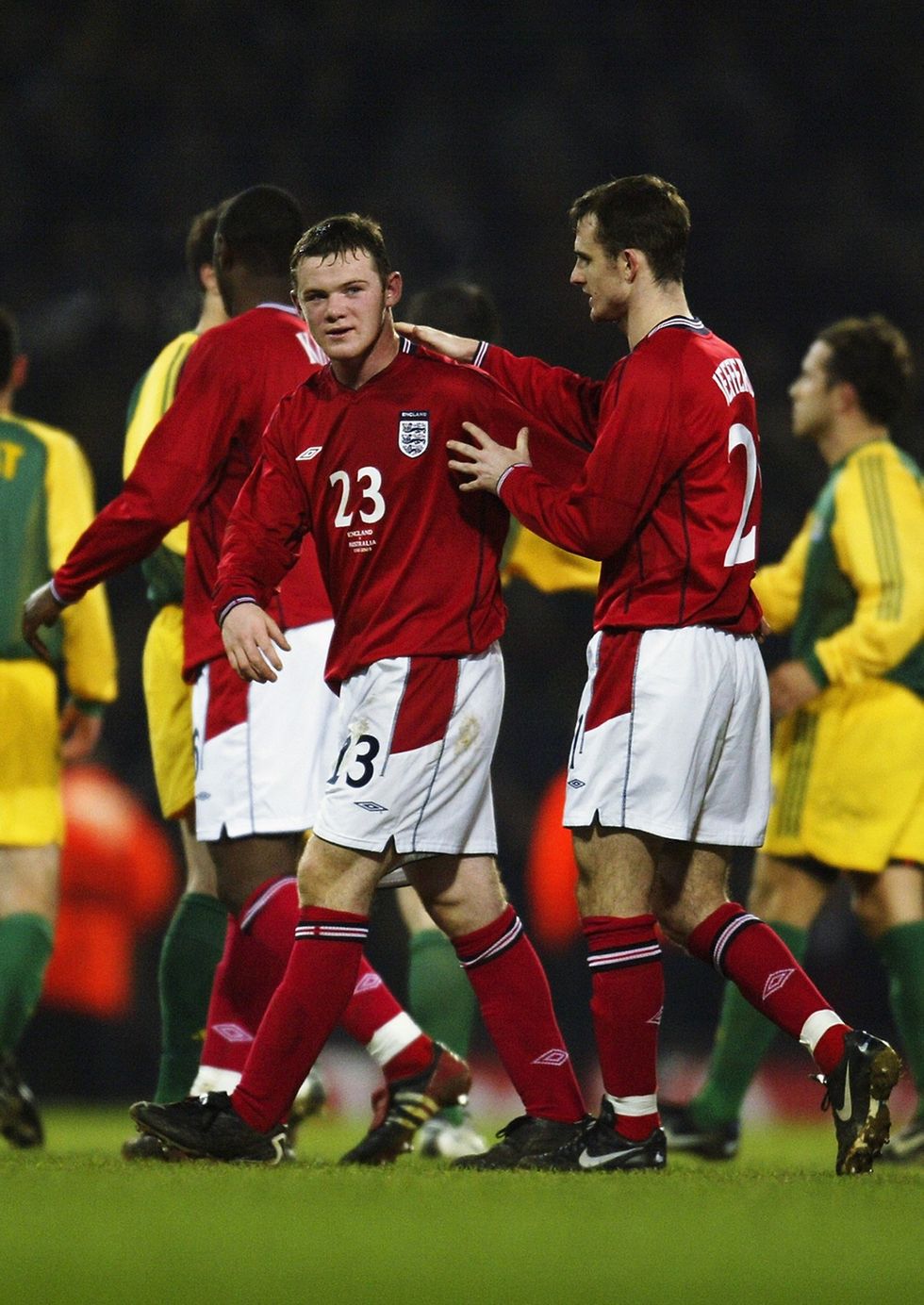
England lost to Australia at Upton Park back in 2003
|GETTY
Eriksson, who passed away at the age of 76 following a diagnosis of terminal pancreatic cancer, left an enduring mark on English football.
The Swedish tactician served as Three Lions boss for a five-year period, during which he guided the national side to the last eight at two World Cup tournaments.
He achieved similar success at European Championship level, steering England to the quarter-final stage.
His tenure remains one of the most significant in the modern era of English football management, despite the controversy surrounding his substitution decisions during that memorable friendly against Australia.